Schools
Paraguay holds its first national assessment for medical students
ANEAES gave a voluntary, free pilot exam to 1,194 final-year medical students from 18 Paraguayan schools. Here's how it worked.
Estudar no Paraguai 2 min read
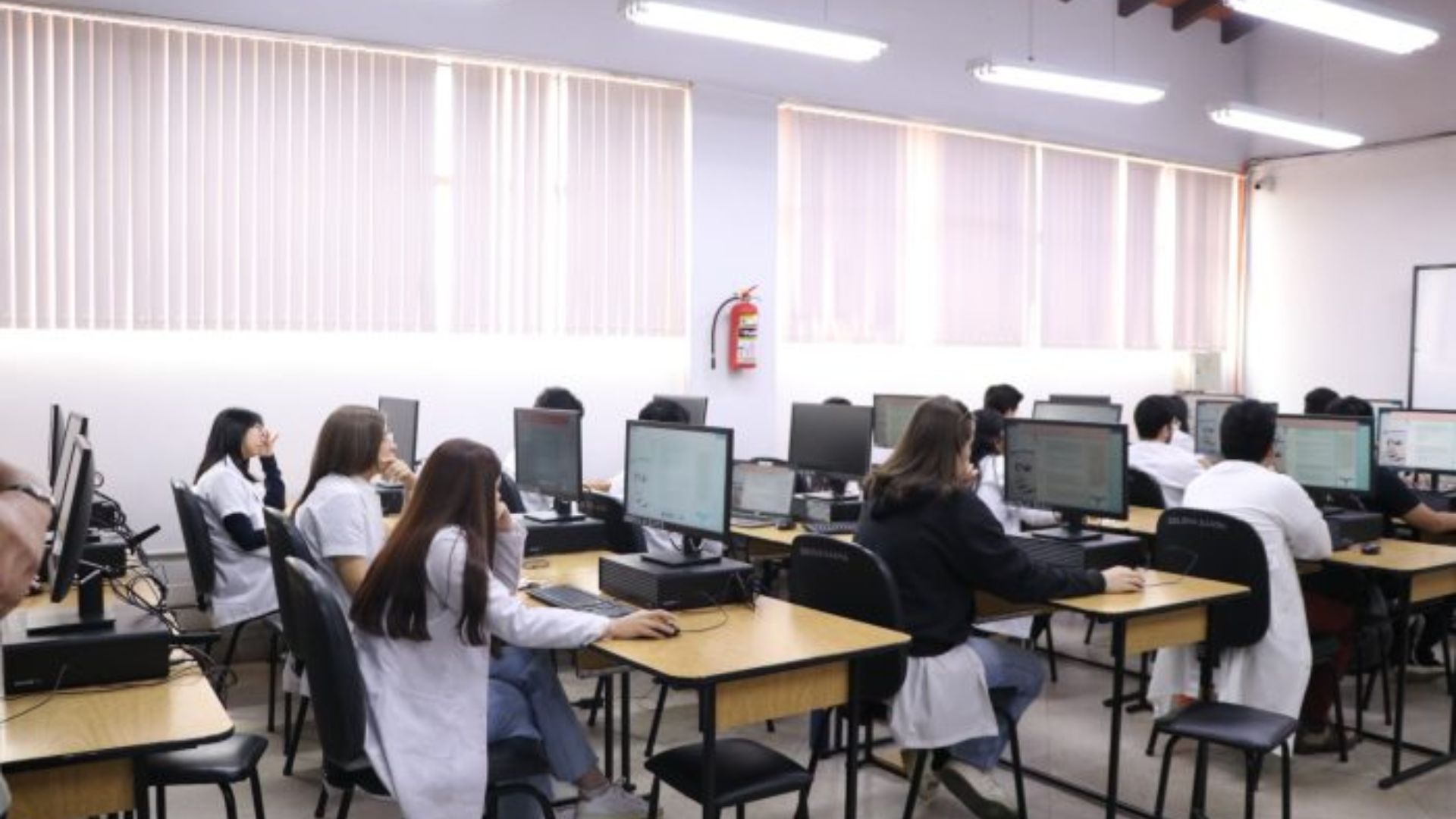
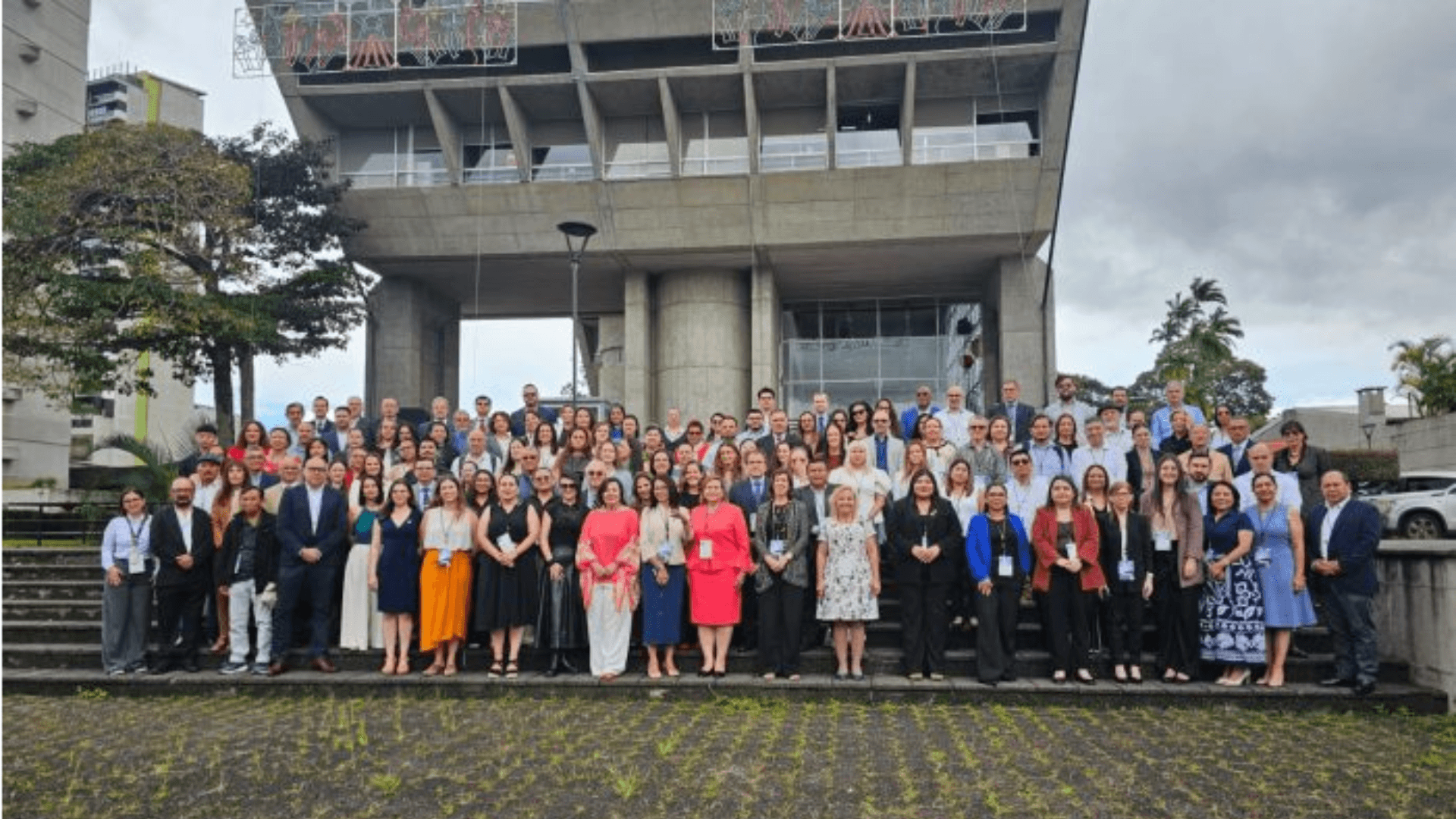
Paraguay has, for the first time, held a national assessment to measure what medical students have learned by the end of their degree. The exam was organized by ANEAES and brought together final-year students from 18 public and private institutions. If you study or plan to study medicine in the country, this is an initiative worth following.
- 1,194students assessed
- 18participating institutions
- 80multiple-choice questions
- 120minutes of testing
What the assessment is
ANEAES (Agencia Nacional de Evaluación y Acreditación de la Educación Superior) is the Paraguayan agency that evaluates and accredits higher education programs and institutions. It created the so-called Pilot Mechanism for Evaluating the Results of the Teaching-Learning Process of Medical Students (Mecanismo Piloto de Evaluación de Resultados del Proceso Enseñanza-Aprendizaje de Estudiantes de Medicina).
The exam was given on October 28, 2026 to final-year students. According to the agency, it is the first experience of its kind in Paraguayan higher education, both in its reach and in its use of a standardized instrument to measure core competencies at the end of the degree.
Who took part
Participation was voluntary: the institutions that responded to the national call and met the regulations took part. Participation was free of charge for students.
The students assessed came from schools in several cities across the country:
- Asunción and San Lorenzo
- Ciudad del Este, Minga Guazú, and Presidente Franco
- Caaguazú and Coronel Oviedo
- Concepción and Pedro Juan Caballero
- Encarnación
- Salto del Guairá
The exam followed security and confidentiality protocols, monitored by observers, notaries, institutional authorities, and medical education experts.
Exam format and content
There were 80 multiple-choice questions, each with four options and only one correct answer, to be completed in 120 minutes. The exam covered four major areas:
- Internal Medicine
- Pediatrics
- Obstetrics and Gynecology
- General Surgery
In addition to these areas, the exam included cross-cutting topics: medical ethics, medical professionalism, and public health with a focus on primary health care.
Why it's worth following
Since this is a pilot, this first edition also served to test the mechanism itself: the questions, the security protocols, and the logistics. According to the agency, what is learned now will be used to make technical adjustments in future editions.
The announcement doesn't say when the exam will be held again or whether results by institution will be published. If you're choosing a school or already studying medicine in Paraguay, it's worth checking whether your institution took part and how the assessment evolves in the coming years.
Source
- ANEAES IMPULSA EL PRIMER MECANISMO DE EVALUACIÓN NACIONAL DE APRENDIZAJES DE ESTUDIANTES DE MEDICINA (ANEAES, October 29, 2026)